
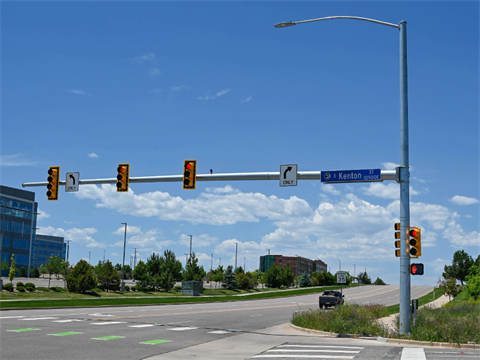
A beautiful property can lose half its appeal the moment you realize getting in and out is a daily headache. Many buyers fall for the plot, the view, or the price before asking whether property access will still feel practical during school runs, grocery trips, rain, traffic, guest visits, deliveries, and emergencies. That mistake costs comfort long after the excitement of purchase fades.
Access is not only about the road touching your gate. It is about how easily life can move around the property without friction. A home may sit close to the city on paper yet feel tiring because the final approach road is narrow, broken, disputed, poorly lit, or blocked during peak hours. Before trusting any listing, brochure, or agent’s promise, you need to inspect the route like someone who will actually live there. For broader property awareness and market-facing insights, platforms such as real estate visibility resources can also help you think beyond the walls of a home and look at the area around it.
Why Property Access Shapes Daily Living
The first serious test of a property is not the floor plan. It is the journey from the main road to the front door, repeated hundreds of times a year. That small stretch tells you how peaceful, practical, and future-ready the place may be. A weak route turns simple tasks into small battles, while a well-connected location quietly supports your routine without demanding attention.
Road connectivity should match your real routine
Road connectivity matters most when it meets your actual life, not an ideal version of it. A person who works from home may tolerate a slightly longer route, while a parent with school-going children may feel the strain every morning. A buyer who relies on ride-hailing, deliveries, or frequent guests needs access that works for more than one driver who already knows the area.
Test the route at the hours you will use it. A lane that feels calm at noon may become a pressure cooker at 8 a.m. when school vans, motorcycles, parked cars, and delivery trucks compete for the same space. The truth of a location comes out under stress, not during a relaxed weekend visit.
A smart review also includes the return journey. Some areas are easy to enter but frustrating to leave because of one-way turns, broken junctions, or traffic signals that trap vehicles for long stretches. That imbalance can make a property feel close on the map and far in real life.
Main road access is not always an advantage
Main road access sounds attractive until you stand there long enough to hear the noise, smell the fumes, and watch cars cut across the entrance. A property sitting directly on a busy road may offer visibility and quick movement, but it can also bring dust, unsafe exits, and less privacy. Convenience has a price, and sometimes the price is paid every evening.
Look at how vehicles slow down before reaching the property. A safe entrance gives drivers enough time to turn without panic or blocking traffic. If you have to make a sharp cut across fast-moving vehicles, the location may become stressful even if the address looks impressive.
Distance from the main road matters too. The best setup often sits close enough for quick travel but far enough to soften noise and congestion. A short inner lane with clean width, clear lighting, and legal access can beat a flashy main-road address that feels hostile the moment you step outside.
How to Inspect the Physical Route
Once you understand the role of access in daily living, the next step is to stop accepting the road at face value. Roads age, flood, narrow, break, and change character as construction spreads. A serious review means walking, driving, observing, and asking the kind of questions most buyers remember only after moving in.
Check road width before judging comfort
Road width decides whether daily movement feels calm or tense. A wide road allows two vehicles to pass, delivery vans to stop briefly, and emergency vehicles to enter without drama. A narrow lane may still work, but only if parking is controlled and turns are manageable.
Measure with your eyes, but confirm through use. Watch what happens when two cars meet from opposite directions. If one vehicle has to reverse a long distance, climb onto rough edges, or wait while people move bikes and carts, the access is already fragile. It may not fail every day, but it will fail on the wrong day.
Parking pressure makes a road smaller than it looks. A lane that appears acceptable when empty can shrink badly once residents park along both sides. Visit in the evening when people return home. That is when the route shows its real size.
Road condition reveals future costs
A broken surface is more than an inconvenience. It tells you how the area is maintained, who takes responsibility, and how quickly small problems become expensive ones. Potholes, loose gravel, standing water, and uneven patches can damage vehicles and make walking unpleasant for children, older people, and visitors.
Look for signs of repeated repair rather than one-off damage. Fresh patches in the same spots may point to drainage failure beneath the surface. If the road breaks after every rainy season, you are not looking at a temporary issue. You are looking at a pattern.
Ask nearby residents who repairs the road and how often. A private lane may depend on shared contributions, while a public road may fall under municipal care. Neither is automatically better. What matters is whether there is a clear system for fixing problems before they become part of daily life.
Legal and Practical Access Must Match
A road can look open and still cause trouble later. Physical access and legal access are not always the same thing, especially around undeveloped land, private lanes, inherited plots, shared driveways, and expanding housing pockets. This is where careful buyers slow down. They know a smooth drive means little if the right to use that route is unclear.
Right of way should be documented clearly
Right of way is the legal permission to pass through a route that may not fully belong to you. It becomes important when a property depends on a shared lane, a neighbor’s passage, or an approach road crossing private land. Verbal assurance is not enough. People change, families dispute, and friendly access can become blocked when ownership shifts.
Ask for documents that show the route in the property file, approved layout, sale deed, or authority record. The access path should not exist only in someone’s explanation. It should appear where future buyers, lenders, lawyers, and officials can recognize it.
A real-world example makes this clear. A buyer may find a plot at a lower price because it sits behind another parcel. The seller says everyone uses the side lane, and neighbors seem relaxed. Years later, the front owner builds a wall or gate. Suddenly, the cheap plot becomes a legal headache. Cheap access often becomes expensive access.
Shared driveways need behavior checks
Shared driveways sound manageable until daily habits expose the weak points. One careless parker, one locked gate, or one family function can turn shared access into a source of conflict. The problem is rarely the driveway itself. The problem is the absence of rules.
Watch how people use the passage during normal hours. Are vehicles parked in the turning area? Do residents leave construction material along the edge? Is there a gate, guard, or informal control point? These details show whether the access depends on cooperation or confusion.
Clear agreements reduce future stress. Shared maintenance costs, parking limits, gate keys, delivery access, and emergency entry should be understood before purchase. A polite conversation before buying can prevent years of awkward arguments after moving in.
Traffic, Safety, and Emergency Movement
After the legal and physical checks, the next layer is safety. A route may be wide, paved, and legally valid, yet still feel risky because of speeding vehicles, blind turns, weak lighting, or poor pedestrian space. Good access protects movement for everyone, not only for the person driving the car.
Traffic flow changes the feel of a location
Traffic flow affects how a property feels from morning to night. Some roads carry calm neighborhood movement. Others become shortcuts for outsiders avoiding larger routes. The second type can look useful on paper but feel harsh in practice, especially when motorcycles, rickshaws, trucks, and cars all treat the lane as a pass-through.
Stand near the entrance for fifteen minutes during peak time. Watch speed, noise, honking, and turning behavior. A road does not need to be jammed to be unpleasant. Fast-moving traffic near a residential gate can make children less safe and make every exit feel like a small negotiation.
One overlooked detail is future traffic. If a nearby commercial strip, school, hospital, market, or apartment block is developing, today’s calm road may not stay calm. Access should be judged not only by what exists now, but by what the area is becoming.
Emergency access cannot be an afterthought
Emergency access is the detail people ignore because they hope they will never need it. That hope is not a plan. Fire trucks, ambulances, rescue vehicles, and utility teams need clear entry, reasonable turning space, and route visibility. A property that cannot support emergency movement carries a hidden risk.
Look at overhead wires, low branches, tight bends, parked vehicles, and locked gates. These obstacles may seem minor during a normal visit, but they can slow response when minutes matter. A narrow lane with no turning point may force large vehicles to stop too far from the property.
Ask yourself a blunt question: could help reach this home without someone running outside to guide, move cars, unlock barriers, or argue with neighbors? If the answer feels uncertain, treat it as a serious warning sign. Safety should never depend on luck and timing.
How to Compare Access Before You Decide
The final decision should not come from one visit, one route, or one confident statement from a seller. Access needs comparison. When you compare two or three properties through the same lens, the better choice often becomes obvious. The more disciplined your review, the less likely you are to mistake short-term excitement for long-term comfort.
Visit from different directions
A property may have one route that agents prefer to show and another route residents actually use. The polished route may avoid broken roads, crowded turns, or difficult junctions. That is why you should approach from several directions before deciding.
Use your own navigation and then ignore it for a while. Follow local traffic patterns, ask a shopkeeper which way people usually take, and drive the route without guidance. Digital maps can miss blocked lanes, seasonal flooding, security barriers, or roads that technically exist but feel unsafe after dark.
Road links deserve a practical score in your comparison. Rate each property on entry ease, exit ease, road surface, lighting, legal clarity, traffic pressure, and emergency access. A simple scorecard cuts through emotion. It also helps you explain the decision to family members who may be focused only on price or appearance.
Think beyond the first year
The first year in a new property often feels forgiving because everything still feels fresh. Over time, the small access issues start collecting interest. A tight turn annoys you more in the rain. A dark lane bothers you when guests leave late. A crowded approach road becomes heavier once children, older relatives, or daily deliveries enter the picture.
Study nearby development before making the final call. New schools, shops, apartment blocks, offices, or road upgrades can change the value and comfort of a location. Sometimes development improves access. Sometimes it overwhelms the route. The difference depends on planning, road capacity, and how local authorities manage growth.
A strong property choice looks past the gate and reads the surrounding movement. You are not only buying rooms, walls, and land. You are buying every trip you will take from that place, every visitor’s first impression, and every moment when easy movement saves time, patience, or stress.
Conclusion
The smartest buyers do not treat access as a small technical detail. They treat it as part of the home itself, because every road, turn, lane, gate, and junction becomes part of daily life after purchase. A lovely property with weak access can wear you down quietly, while a modest home with clean movement can feel better with every passing month.
Before making a commitment, walk the route, drive it at hard hours, speak to residents, check documents, and test the place like someone who plans to live there through ordinary days and inconvenient ones. Property access should feel legal, usable, safe, and realistic, not merely acceptable during a sales visit.
Make your next property visit slower, sharper, and less emotional. The gate may show you where the home begins, but the road will show you whether life there will actually work.
Frequently Asked Questions
How do I check property access before buying a home?
Visit the property at different times, drive from several directions, inspect road width, review legal documents, and speak with nearby residents. A route that works during a quiet afternoon may feel different during school hours, rain, or evening parking pressure.
What are the signs of poor road connectivity near a property?
Frequent traffic jams, narrow lanes, broken surfaces, confusing turns, weak lighting, blocked access points, and limited public transport options all point to weak road connectivity. The biggest warning sign is when residents describe the route as manageable only “most of the time.”
Why is main road access important in property buying?
Main road access can reduce travel time, improve convenience, and support better resale value. It should still be checked carefully because direct exposure to heavy traffic, noise, dust, and unsafe turning points can reduce comfort for everyday living.
How can I confirm legal right of way for a property?
Ask for approved maps, sale documents, layout plans, and any written access agreements. A property lawyer or relevant local authority can confirm whether the route is legally recognized. Verbal promises from sellers or neighbors should never replace written proof.
What should I look for in a shared driveway?
Check width, parking habits, gate control, maintenance responsibility, and how residents handle deliveries or visitors. Shared driveways work best when rules are clear and everyone understands access rights before disputes begin.
How does road width affect property value?
Road width affects convenience, safety, parking, delivery access, and emergency movement. Wider, well-maintained roads usually support stronger long-term value because they make the property easier to use and more attractive to future buyers.
Can bad road links reduce resale potential?
Yes, weak road links can limit buyer interest even when the property itself is well built. Future buyers often notice traffic stress, narrow lanes, poor surfaces, or unclear access quickly, and those concerns can weaken negotiation power.
When is the best time to inspect property road access?
Inspect during morning rush, evening return hours, after rain, and after dark. These visits reveal traffic pressure, drainage issues, lighting quality, parking behavior, and safety concerns that rarely appear during a planned daytime viewing.