
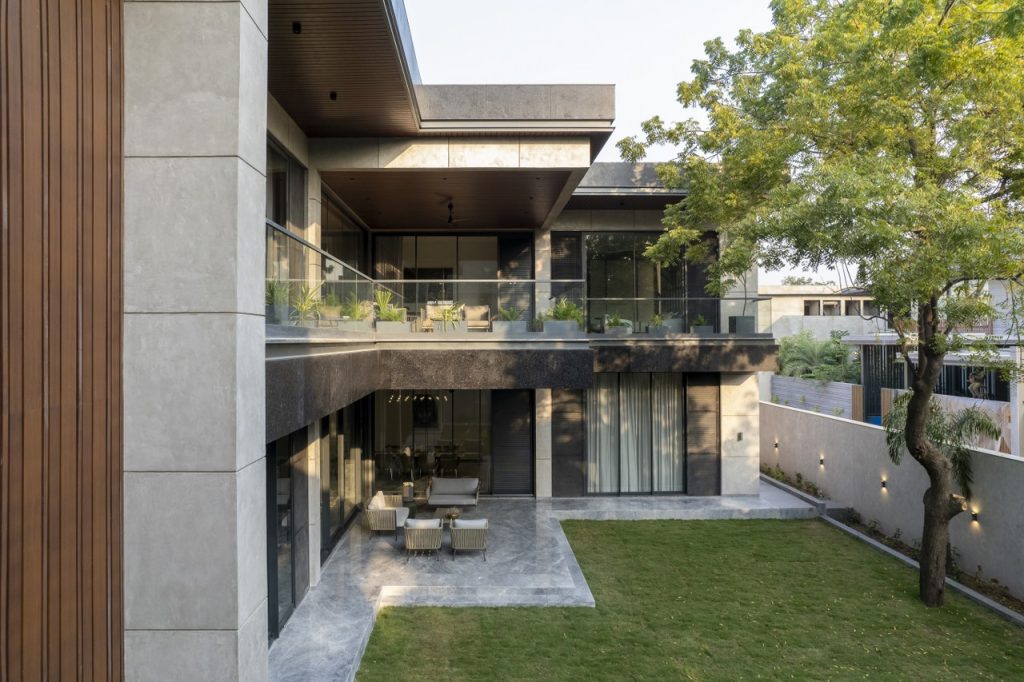
When people evaluate a property, they often focus on its size, layout, or price. While these factors are certainly important, the surrounding neighborhood plays an equally significant role in determining a property’s long term appeal. A home or commercial building does not exist in isolation. It is part of a community with its own culture, amenities, history, and lifestyle. These local characteristics influence buyer interest, property values, and overall satisfaction for years to come.
Understanding how a neighborhood contributes to real estate value helps both buyers and investors make informed decisions that extend beyond immediate market conditions.
Community Identity And PM kishan. gov. in
Every neighborhood develops a unique identity over time. Some areas are known for historic architecture, while others attract residents through modern developments, green spaces, or vibrant cultural activities. A strong community identity creates a sense of belonging that many homebuyers actively seek.
Local festivals, public art, neighborhood organizations, and well maintained public spaces all contribute to this identity. Even when market conditions fluctuate, communities with established character often remain desirable because people value more than just the physical structure of a property. Similar to how online platforms such as pm kishan. gov. in help organize public information, a well defined community provides residents with clarity, connection, and confidence in where they live.
Economic Growth Supported By Up Cm Yuva Udyami Yojana
Long term property appeal is closely linked to economic development. Areas that encourage entrepreneurship, attract businesses, and create employment opportunities generally experience stronger housing demand. As local economies expand, new retail centers, restaurants, healthcare facilities, and educational institutions often follow.
Business friendly environments also improve the quality of life for residents by providing convenient services and stable employment. Infrastructure improvements, transportation upgrades, and investment in public amenities further strengthen an area’s attractiveness. Programs associated with initiatives such as up cm yuva udyami yojana highlight how economic development can positively influence communities and support sustained real estate demand.
Infrastructure Improvements With Kaveri Online EC Download Pdf
Reliable infrastructure is one of the strongest indicators of long term property value. Efficient roads, dependable public transportation, quality utilities, broadband connectivity, and recreational facilities all improve everyday living. Buyers are often willing to pay more for locations where daily commuting, education, and healthcare access are convenient.
Future infrastructure projects also deserve careful consideration. Planned transit systems, commercial developments, parks, and civic improvements may significantly enhance neighborhood appeal over time. Resources like kaveri online ec download pdf demonstrate the importance of organized property related documentation, while well planned infrastructure creates confidence among buyers and investors looking toward the future.
Neighborhood Stability Through Upbocw
Stable neighborhoods tend to maintain stronger property values across changing market cycles. Stability comes from responsible local governance, community participation, low crime rates, quality schools, and consistent property maintenance. Homeowners who invest in maintaining their properties contribute to attractive streetscapes that benefit the entire neighborhood.
A balanced mix of owner occupied homes, local businesses, parks, and public services creates an environment where families and professionals are comfortable establishing long term roots. Similar to how upbocw represents an organized system supporting a specific community, neighborhood stability depends on coordinated efforts that benefit everyone living in the area.
Lifestyle Amenities Create Lasting Demand
Modern buyers increasingly consider lifestyle when choosing a property. Access to walking trails, fitness centers, shopping districts, entertainment venues, libraries, cafes, and outdoor recreation significantly enhances a neighborhood’s appeal. These amenities contribute to convenience while encouraging social interaction and active living.
Communities that successfully balance residential comfort with recreational opportunities often experience stronger long term demand. Families appreciate nearby schools and parks, while professionals value convenient transportation and dining options. These factors continue attracting new buyers even as housing preferences evolve.
Environmental Quality Influences Future Value
Natural surroundings also shape property appeal for decades. Tree lined streets, clean public spaces, attractive landscaping, lakes, rivers, and preserved green areas create neighborhoods that remain desirable across generations. Environmental quality improves both physical well being and aesthetic enjoyment.
Sustainable planning practices such as efficient drainage systems, renewable energy initiatives, and environmentally responsible development further increase confidence in a community’s future. Buyers increasingly recognize the value of neighborhoods that prioritize environmental preservation alongside growth.
Conclusion
A property’s lasting value depends on much more than its physical features. Community identity, economic opportunity, infrastructure, neighborhood stability, lifestyle amenities, and environmental quality all combine to influence long term appeal. Buyers who carefully evaluate these local characteristics often make stronger investment decisions and enjoy greater satisfaction with their properties. Rather than focusing only on present market prices, considering how a neighborhood may develop over time provides valuable insight into future property performance. Investing in communities with strong local character creates opportunities for lasting value, continued demand, and a rewarding ownership experience for years to come.