
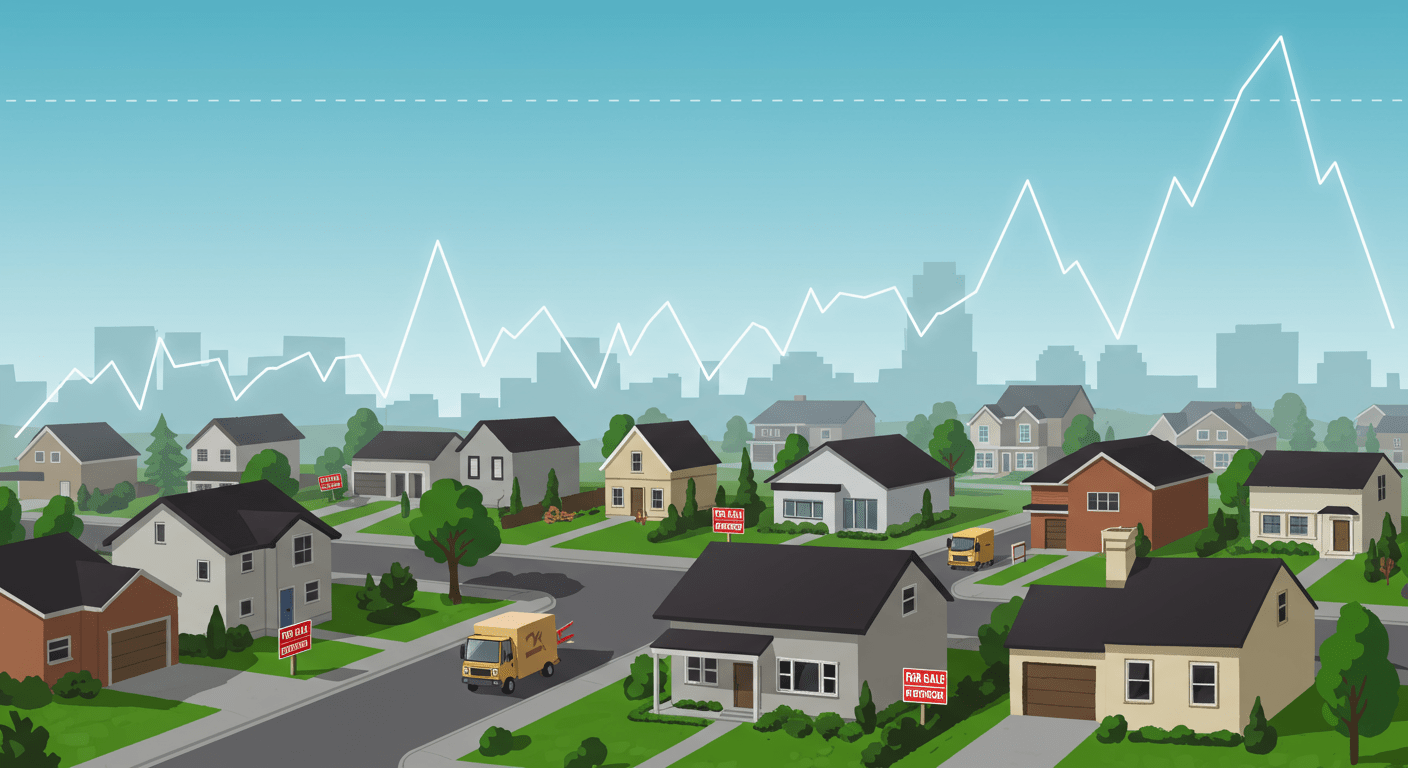
Sunnyvale does not behave like the softer housing markets buyers keep hearing about on national news. Yes, higher mortgage rates have cooled many U.S. cities, and some sellers now need price cuts to get attention. But property values in this corner of Santa Clara County still sit on a different base: high incomes, job density, tight land, and buyers who often compare payments against career upside instead of sticker shock alone. That is why the Sunnyvale real estate story needs a sharper read than “expensive market stays expensive.” For anyone tracking local demand, real estate market visibility matters because small shifts in Silicon Valley can carry large price effects. The city is not immune to pressure. A home can sit longer if it is poorly priced, oddly updated, or too far from the strongest commute routes. Still, the floor remains hard. When buyers weigh Sunnyvale against Palo Alto, Mountain View, Cupertino, and San Jose, the price often looks painful but rational.
The Local Income Base Keeps Sunnyvale Real Estate From Acting Average
Sunnyvale’s housing market begins with a fact many national comparisons miss: this is not a normal wage city. The buyer pool is fed by engineers, product managers, founders, defense workers, medical-device talent, and dual-income households that often earn far more than the U.S. median. That does not make homes easy to buy. It means the local payment math bends in ways that would break in weaker job markets.
The U.S. Census Bureau’s Sunnyvale QuickFacts shows how far local income sits above the national middle. That matters because the Silicon Valley housing market is less tied to average American affordability and more tied to how many high-earning households can still compete for a limited set of homes.
Why high salaries do not always mean easy affordability
A common mistake is to assume high pay solves the problem. It does not. A household earning a strong tech salary can still feel squeezed when a starter home costs more than full-size homes in much of the country. Monthly payment shock is real, and it changes buyer behavior.
The twist is that these buyers often delay less than buyers in lower-income metros. They may stretch for location because the cost of moving farther out is paid in time, stress, and lost family hours. A commute from Tracy or Gilroy can look cheaper on paper, then cost two parents ten hours a week.
That is why Sunnyvale real estate can soften at the edges without falling apart. Demand does not need every buyer to stay active. It needs enough well-paid households to believe the city saves them time and keeps them close to their work network.
Think about a couple with one job near North Mathilda Avenue and another in Cupertino. A bigger home in the outer East Bay may look better on a spreadsheet, but the daily drive can drain the gain. In that case, paying more for less space is not emotional. It is a trade for time, sleep, and a cleaner school-night routine.
The employer map creates a price floor
Sunnyvale’s largest employers include Google, Apple, Amazon, Intuitive Surgical, Lockheed Martin, Meta, Synopsys, Applied Materials, Northrop Grumman, Fortinet, and others. That list is not a branding detail. It is the engine under the housing bid.
A buyer working near Moffett Park may pay more for a smaller house because the location removes a daily fight. Another buyer with a hybrid role may still want a short trip to offices in Mountain View, Santa Clara, or Cupertino. In this market, minutes have dollar value.
Here is the non-obvious part: a weaker office market does not always weaken nearby housing in the same way. If workers come in three days instead of five, they may care even more about making those days painless. A shorter commute becomes a quality-of-life upgrade, not a luxury line item.
Sunnyvale also benefits from having several kinds of employers, not one shining company town. Defense and space work sit beside software, chip design, e-commerce, health technology, and advanced manufacturing. That mix does not remove risk, but it spreads demand across paychecks that do not all rise and fall at the same moment.
Why Property Values Keep Holding When Other Markets Bend
The national correction story often treats housing as one market. It is not. Phoenix, Austin, Tampa, Boise, and parts of the inland West can face different pressure from builder supply, insurance costs, investor pullbacks, or pandemic-era overpricing. Sunnyvale sits inside another machine. Land is tight. New detached housing is scarce. Buyers compare homes street by street.
That does not mean prices only go up. Recent Sunnyvale data has shown small drops by some measures and fast pending times by others. Both can be true. The market can lose heat while staying hard to enter. That is the key distinction buyers need before they assume a “correction” will create easy bargains. The phrase “national correction” also hides a local truth. A correction can show up as fewer offers, slower open houses, and tougher appraisal talks before it shows up as a steep price drop. In Sunnyvale, that middle stage can last because sellers are often less forced than owners in newer, more speculative markets.
Supply is limited in ways new buyers underestimate
Sunnyvale has new housing, but much of it is apartments, townhomes, condos, and mixed-use projects. Detached homes near strong schools, major job nodes, or Caltrain access remain a narrow pool. When a clean home appears in the right pocket, the buyer list can refill fast.
A national buyer may see a price dip and expect choices. Local buyers know better. The right home might show up once, draw offers in days, and disappear. Waiting for a perfect discount can mean losing the only house that solved your commute, school, and layout needs.
One counterintuitive insight: low inventory can protect sellers even when demand has cooled. A market does not need wild bidding wars to stay firm. It only needs fewer good homes than qualified buyers.
This is why the word “inventory” needs detail. Ten extra listings do not help much if eight are condos with high dues and you need a small detached home with a yard. Supply only helps when it matches the buyer’s life. In Sunnyvale, the match can be rare.
Rate pressure filters buyers instead of ending demand
Higher mortgage rates have pushed many households to the sidelines. In a cheaper city, that can create a clear buyer’s market. In Sunnyvale, rate pressure works more like a filter. It removes stretched buyers first, then leaves cash-heavy buyers, stock-compensated households, and high-income couples still standing.
That changes negotiation. Sellers may not get twenty offers on every listing, but they may still get one clean offer with a large down payment and no weak financing. A buyer hoping for a deep discount can be surprised by how calm the winning bid looks.
This is where Bay Area housing affordability trends deserve close attention. The affordability pain is not fake. Yet the most qualified buyers often remain active because the alternative is not cheap either: rent is high, longer commutes are draining, and waiting can carry its own cost.
The rate story also creates a lock-in effect. Many current owners hold older, lower-rate loans and hesitate to sell. That keeps resale choices thin. A buyer may dislike today’s payment, but a seller may dislike giving up yesterday’s mortgage even more. The result is a standoff, not a flood of bargains.
Location, Schools, and Commute Patterns Shape Bay Area Home Prices
Sunnyvale sits in the middle of a mental map buyers know well. To the west are Mountain View and Palo Alto. To the south are Cupertino and Saratoga. To the east are Santa Clara and San Jose. Each nearby city has its own price ladder, school reputation, commute pattern, and housing stock. Sunnyvale wins when buyers want a central Silicon Valley address without stepping into the highest prestige pricing.
That central position helps explain why Bay Area home prices do not move in a neat line. Two homes with similar square footage can behave differently because one sits closer to Caltrain, a major employer, or a school zone that parents trust. Local pricing feels personal because it is built from daily life.
School zones and commute routes can outweigh square footage
A 1,500-square-foot home in the right Sunnyvale pocket may draw more attention than a larger home in a less convenient area. That can feel strange if you are moving from Texas, Ohio, or North Carolina, where bigger often feels better. In Silicon Valley, time and access can beat space.
Parents may choose a smaller yard to avoid a tougher commute. A worker based near Apple Park might prefer west Sunnyvale or nearby Cupertino access. Someone tied to Google or Moffett Park may care more about north-side movement. These choices do not show up fully in a simple median price.
The best local agents know this. They do not price only by bedroom count. They price by the buyer story a home solves. That story may be school drop-off, office access, aging parents nearby, or a layout that allows two adults to work from home without using the dining table.
The deeper truth is that buyers are not choosing a house in isolation. They are choosing how mornings feel. They are choosing whether a child can stay in the same friend group, whether a parent can get to a lab before 9, and whether errands eat the whole weekend.
Downtown change adds another layer of demand
Downtown Sunnyvale is not the sleepy place some longtime Bay Area residents remember. Cityline and other projects have brought housing, retail, office space, restaurants, and a stronger town-center feel. That gives buyers another reason to pay attention beyond the commute map.
A walkable dinner option or a short ride to Caltrain may not sound like a huge price driver. But in a region where many suburbs were built around cars, even small gains in daily ease can matter. Buyers do not always say they are paying for a better Tuesday night. They are.
The hidden lesson is that Sunnyvale can draw more than one buyer type. It attracts families, tech workers, medical-device employees, defense engineers, and people who want Bay Area access without San Francisco density. That mixed demand helps support Bay Area home prices even when one group pauses.
Downtown growth also changes how younger buyers see the city. A townhome near shops can compete with a larger home farther away because it offers a cleaner routine. That is not the old suburban dream, but it fits how many Silicon Valley households now live.
What Buyers and Investors Should Watch Before Trusting the Correction Story
A national headline can be useful, but it is a blunt tool. Sunnyvale demands closer reading. The market can show a lower median sale price in one month because the mix of homes changed, not because every house lost value. A rush of smaller condos can pull the median down. A few large detached sales can push it up. The surface number is often less useful than the pattern behind it.
Buyers and investors should track days on market, sale-to-list ratios, price cuts, inventory by housing type, and how quickly clean homes near prime routes move. Those details tell you whether sellers are losing control or only losing the easy wins they had during hotter years. The same caution applies to online estimates. They are useful for direction, but they cannot see the feel of a block, the light inside a living room, or whether a floor plan wastes space. In an expensive city, small defects carry large dollar weight because buyers notice every compromise.
Median price changes can mislead casual buyers
Median price is simple, which is why people like it. It is also easy to misread. If more lower-priced condos sell in one month, the citywide median can drop even if detached homes in top pockets stay firm. If several larger homes close in one cycle, the median can jump without proving a fresh boom.
This matters for real decisions. A buyer who waits for a citywide correction may miss signs that the exact property type they want is still tight. A seller who ignores softer condo data may overprice a unit and lose the first wave of attention.
A better question is narrower: What is happening to homes like the one you want, in the micro-area you can live with, at the payment you can carry? That is where local real estate market research becomes more useful than broad market chatter.
Watch the list-to-sale gap as much as the median. If homes close near asking after one price cut, that suggests sellers overshot, not that demand vanished. If homes sit for weeks after several reductions, the story changes. Sunnyvale requires that level of reading.
Investor math must respect the local rent ceiling
Investors face a tougher test than owner-occupants. A family may accept a weak cash-flow picture because they are buying stability, schools, and a shorter commute. An investor cannot pretend those benefits pay the mortgage. Rent has a ceiling, and acquisition cost in Sunnyvale is high.
Still, some investors stay interested because land scarcity and job density can support long-term demand. The better play is not blind appreciation betting. It is careful asset selection: condo rules, HOA health, maintenance risk, tenant demand, and exit options all matter.
The counterintuitive point is that the safest-looking property can be the one with the weakest return. A clean, high-priced home in a prime area may preserve capital better, yet fail as an income property. In Sunnyvale, “good real estate” and “good investment” are not always the same thing.
A small condo near transit may be easier to rent, but HOA fees can eat the margin. A detached home may hold appeal, but repairs and taxes can turn a thin plan into a bad one. The math needs a stress test before the offer, not regret after closing.
Conclusion
Sunnyvale is not floating above the housing cycle. It feels pressure from rates, buyer fatigue, and the national slowdown. But it also has a rare mix of high wages, global employers, short land supply, and daily-life convenience that keeps demand from fading in a normal way.
That is why buyers should not read the national correction story as a promise of easy discounts. The smarter read is more careful: property values are supported by local income and scarcity, while weaker listings still face pushback. Both truths can sit side by side.
For buyers, the edge comes from knowing your target pocket, not waiting for a headline to save you. For sellers, the lesson is sharper pricing and cleaner presentation. For investors, the answer is stricter math and no romance about appreciation. The city can protect capital better than many places, but it can also punish sloppy assumptions.
Sunnyvale still rewards discipline. It punishes wishful thinking. The people who do best here are not the loudest bidders or the most hopeful sellers. They are the ones who understand the street-level forces before the market forces them to learn.
Frequently Asked Questions
Is Sunnyvale still a strong housing market in 2026?
Yes, but strength now looks more selective. Clean homes in strong locations can still move fast, while overpriced or awkward listings may need adjustments. Buyers have more room than during peak frenzy, yet the city’s job base keeps competition alive.
Why is Sunnyvale so expensive compared with many U.S. cities?
The price comes from high local incomes, limited land, major employers, and access to Silicon Valley jobs. Buyers are not only paying for a house. They are paying for commute savings, school access, career proximity, and long-term location security.
Are Bay Area home prices falling in Sunnyvale?
Some data points show mild softening, but that does not mean every home type is falling. Condos, townhomes, and detached homes can move differently. The better question is what is happening in the exact neighborhood and price band you want.
Is Sunnyvale better for buyers than Palo Alto or Mountain View?
It can be, depending on budget and commute needs. Palo Alto often carries a heavier prestige premium, while Mountain View competes hard for tech access. Sunnyvale may offer a wider mix of homes while keeping buyers close to key employers.
Should investors buy rental property in Sunnyvale?
Only with careful math. Purchase prices are high, so rent may not cover ownership costs well. Investors need to study HOA rules, repair risk, tenant demand, and exit value. Appreciation potential alone is not a safe investment plan.
What should first-time buyers know before shopping in Sunnyvale?
Pre-approval is only the starting point. Buyers should study micro-neighborhoods, commute routes, school boundaries, and sale-to-list patterns before touring homes. A fast decision can still be a smart decision when the research is already done.
Does tech hiring still affect the Silicon Valley housing market?
Yes. Tech hiring, stock wealth, and office-location choices can shift demand fast. Even when hiring slows, the existing income base remains deep. That is why prices can stay firm while the broader U.S. market feels weaker.
What type of Sunnyvale home tends to hold value best?
Homes with practical layouts, strong location, clean condition, and easy access to jobs or transit often hold attention best. A smaller home in a better pocket can beat a larger home with commute pain or costly deferred repairs.