
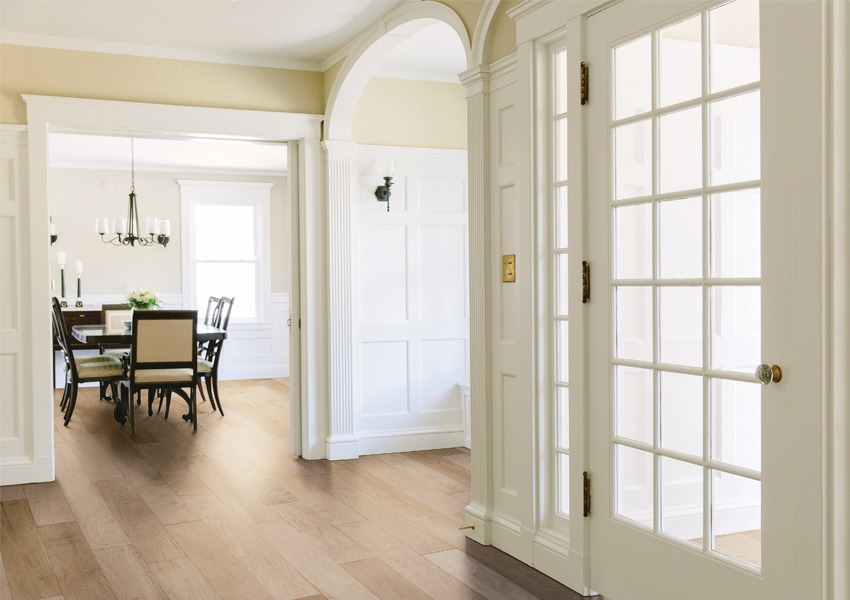
Walking into a flooring store can make your head spin with all the choices stacked up to the ceiling. It is so easy to just pick a pretty sample, pull out your card and buy it for the whole house without a second thought. But that quick choice can easily backfire on you down the road. Every room faces different challenges, from leaky bathroom plumbing and heavy dropped pans to muddy pet paws scrambling through your front door.
If you live in the Triangle area, consulting a local flooring company Raleigh NC can save you from a major headache. They know how our changing Southern weather impacts different materials. Before you pick up the phone, here is what you need to check out from the ground up.
Key Takeaways
- Water ruins natural solid hardwood fast, so keep real wood planks completely out of damp areas like full bathrooms.
- High-traffic areas need a super thick protective wear layer to survive years of scratches from active kids.
- Large dogs require extra tough options like luxury vinyl or stone tile to block sharp claw marks.
- Take the time to fix any bumpy, uneven concrete spots on your subfloor before laying new materials down.
- Look at samples under your own home’s lighting because store lights completely trick your eyes.
H1: 8 Simple Steps to Choose the Perfect Flooring for Your Space
Getting the floors replaced in your home is a major financial investment. It takes days to finish, it creates a mountain of white dust and it burns through your hard-earned savings. Because of all that stress, you want to make sure you get the decision right on your very first try. Let’s look at the main things you should check out before you spend a dime on new materials.
1. Identify Your Real Room Moisture Levels
Water destroys floors and it really is just that simple. If you put standard, genuine solid hardwood down in a busy family bathroom where splashes happen every single night, you are inviting a total disaster. The raw, unprotected wood fibers will drink up that standing puddle water like a giant sponge. Before you even realize what is happening, the edges of your expensive planks will start buckling up, cracking and growing gross black mold underneath.
For wet spots like your kitchen, a basement or the laundry closet, you absolutely must look for flooring options labeled as one hundred percent waterproof. Standard porcelain tiles work wonderfully here because water just sits on top of the glaze until you grab a towel.
Another highly popular option is modern luxury vinyl plank. It looks exactly like real natural oak but it is actually made out of tough plastic layers that won’t swell up or warp if your kitchen sink pipe leaks.
2. Count the Daily Footsteps in That Zone
Think about the main highway paths inside your house for a moment. Your main front entryway, the hallway by the bedrooms and the space right in front of the refrigerator get stomped on hundreds of times every single day. People are constantly rushing through with heavy work boots on, dragging heavy cardboard Amazon boxes, or sliding heavy kitchen chairs back and forth. Softwood materials like pine or thin, cheap laminate sheets will show ugly, dull wear tracks in these paths very quickly.
You need to pick a material that can take a serious beating and still look fresh. Thick ceramic tiles are incredibly difficult to scratch up which makes them a top tier choice for busy mudrooms. If you absolutely must have that warm, classic wood look in your high-traffic hallway, make sure you choose a very hard wood species like hickory or maple. Or, look into commercial-grade luxury vinyl.
3. Plan for Your Furry Family Members
Our pets are a massive part of our families but let’s be real here they are absolutely brutal on floors. Big dogs love to scramble and zoom across the house whenever they hear a delivery truck pull up outside. Every single time they take off running, their sharp nails act like little metal knives scraping across your shiny new floors. If you have softwood down, you will see deep, permanent gouges all over the living room within a month.
On top of that, accidents happen to everyone. Puppies spill their water bowls and older cats sometimes miss the edge of the litter box. If those liquids sit on real wood or cheap fiberboard laminate, the moisture will soak deep inside and ruin the floor forever.
To keep your sanity intact, stick with highly scratch-resistant vinyl options or textured glazed tile. They are tough to scratch and they clean up easily with a damp paper towel.
4. Be Totally Honest About Your Budget
Flooring prices jump all over the place depending on what you buy. You can find super cheap, paper-thin laminate for under a dollar a square foot or you can spend a small fortune on imported exotic hardwoods and natural marble tiles. But the upfront sticker price printed on the box is only half of the real story. You also have to factor in the cost of the actual installation labor and materials like glue, nails and underlayment foam.
Natural stone and solid wood require a lot of technical skill, special diamond-blade saws and heavy tools to install correctly. That means you are going to pay a lot more cash for professional labor. If you want to keep your overall costs low, click-together floating floors are an amazing alternative. They snap together easily like puzzle pieces and because they go down so fast, you save a ton of money on the labor bill.
5. Peek Underneath at Your Current Subfloor
You cannot build a good house on a bad foundation and you cannot lay a good floor on top of a bumpy subfloor. Go ahead and inspect a tiny, hidden corner of your old carpet right now to see what is actually hiding underneath. Is it a smooth, clean plywood deck or is it a cold, wavy concrete slab? Concrete basements are constantly pulling up damp moisture from the wet dirt outside which will ruin standard solid wood planks almost instantly.
If your current subfloor is uneven, bouncy or rotting out, you have to spend the time to fix those structural issues before your new floor goes down. A bumpy subfloor will cause your new planks to separate at the seams and squeak loudly every time you walk across the room. Floating luxury vinyl planks and thick carpets are usually the most forgiving options if your subfloor has minor imperfections you don’t want to spend thousands of dollars leveling out.
6. Think About Daily Cleaning & Maintenance
Be totally realistic about how much time you actually want to spend scrubbing your floors on the weekend. Some materials require constant pampering to stay looking decent. For example, gorgeous natural stones like slate, travertine & marble look super luxurious. But they are naturally porous, meaning they have millions of tiny microscopic pores that soak up liquids. You have to coat them with special chemical sealers every year to keep spills from staining them permanently.
If you do not want a floor that requires a ton of ongoing maintenance, stay far away from those high-maintenance stones. Stick with manufactured materials like porcelain tile, modern laminate or luxury vinyl. These modern floors do not require any annual sealing, stripping or waxing. All you have to do is give them a quick sweep with a basic broom and a light mop with plain water to keep them looking brand new.
7. Look at Your Home’s Overall Style
Your new floors need to match the actual architecture of your house. If you live in a beautiful, historic home with classic thick wood trim & vintage five-panel doors, throwing down ultra-modern, bright white glossy tiles can look incredibly weird. It creates a confusing visual clash that significantly undermines the property’s overall feel and resale value. You want the design choices to flow smoothly from the front door all the way to the back closet.
Take a very close look at your kitchen cabinets, your baseboards and your favorite furniture pieces before you go shopping. If your home has a traditional or rustic style, warm honey oak or rich medium brown walnut tones are safe, timeless choices. If your home is super modern and beachy, light ash woods or pale gray planks can look fantastic. Just ensure the floor’s undertones match the wood tones already in the room.
8. Pay Attention to Everyday Comfort
Don’t forget to think about how the floor actually feels when you are walking around in your bare feet or socks during the winter. Hard materials like porcelain tile & natural stone look stunning and clean up like a dream. But they are incredibly cold to the touch when the temperature drops. Plus, standing on a rock-hard surface for hours while prepping dinner can make your lower back, knees and feet ache terribly.
If you are picking out flooring for a cozy master bedroom, a kid’s playroom, or a kitchen spot where you stand a lot, comfort should be your number one priority. Plush carpets feel amazing underfoot & keep rooms insulated. If you hate carpet but still want that soft feel, look into natural cork flooring or luxury vinyl plank paired with a thick, premium foam underlayment pad to add a nice, bouncy cushion.
Conclusion
Upgrading your home floors comes down to matching your everyday routine with the moisture levels of each specific room. Taking a few extra minutes to inspect your subfloor and count your daily footsteps saves you from making a huge, frustrating mistake. Rushing into a cheap purchase just to save money initially ends up costing you double to fix things later on. When you are ready to make a change, working with an experienced flooring company Raleigh NC ensures your new floors stay durable, beautiful and valuable for decades to come.